Motion Preservation, With Alignment Built In

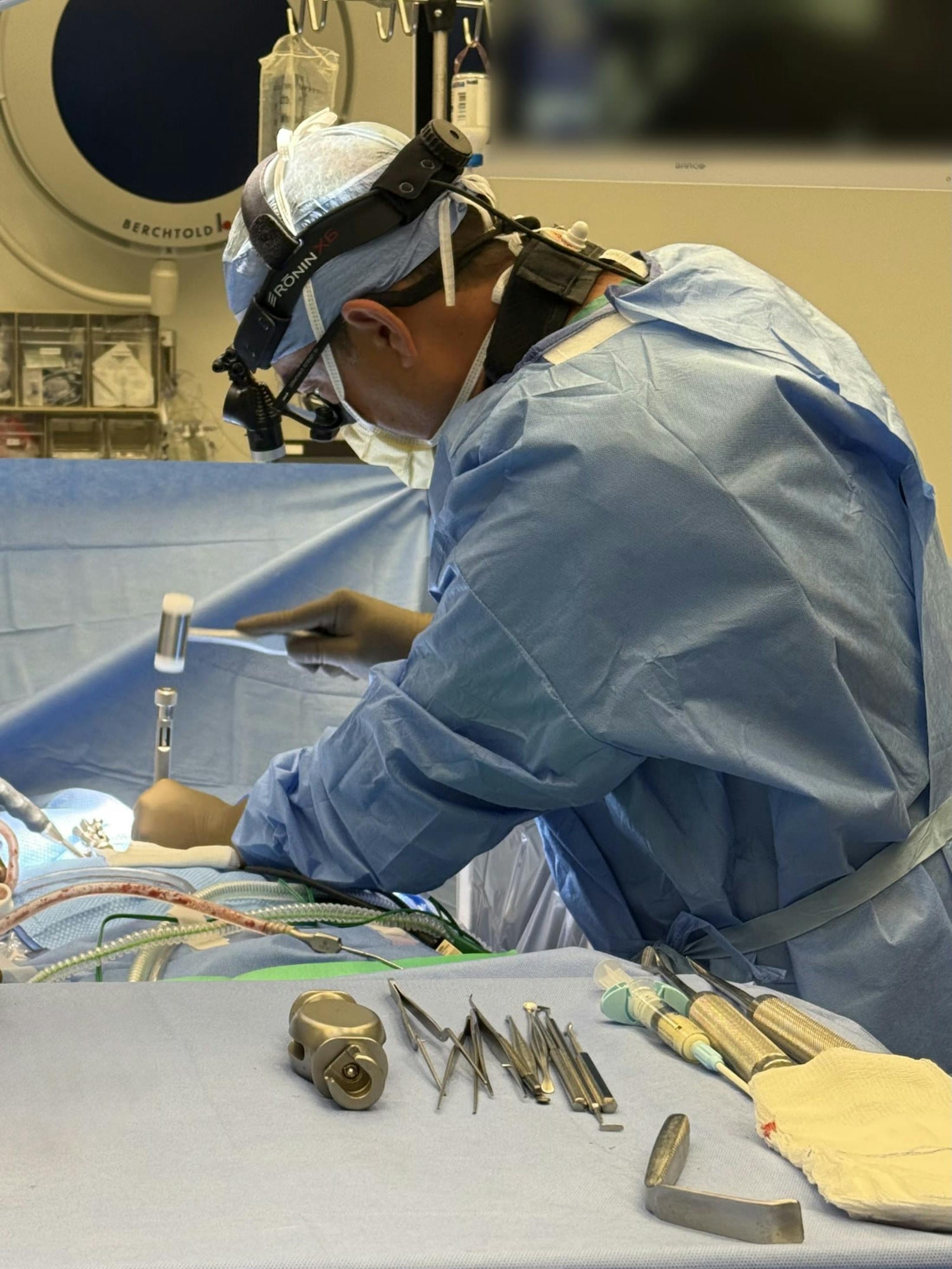
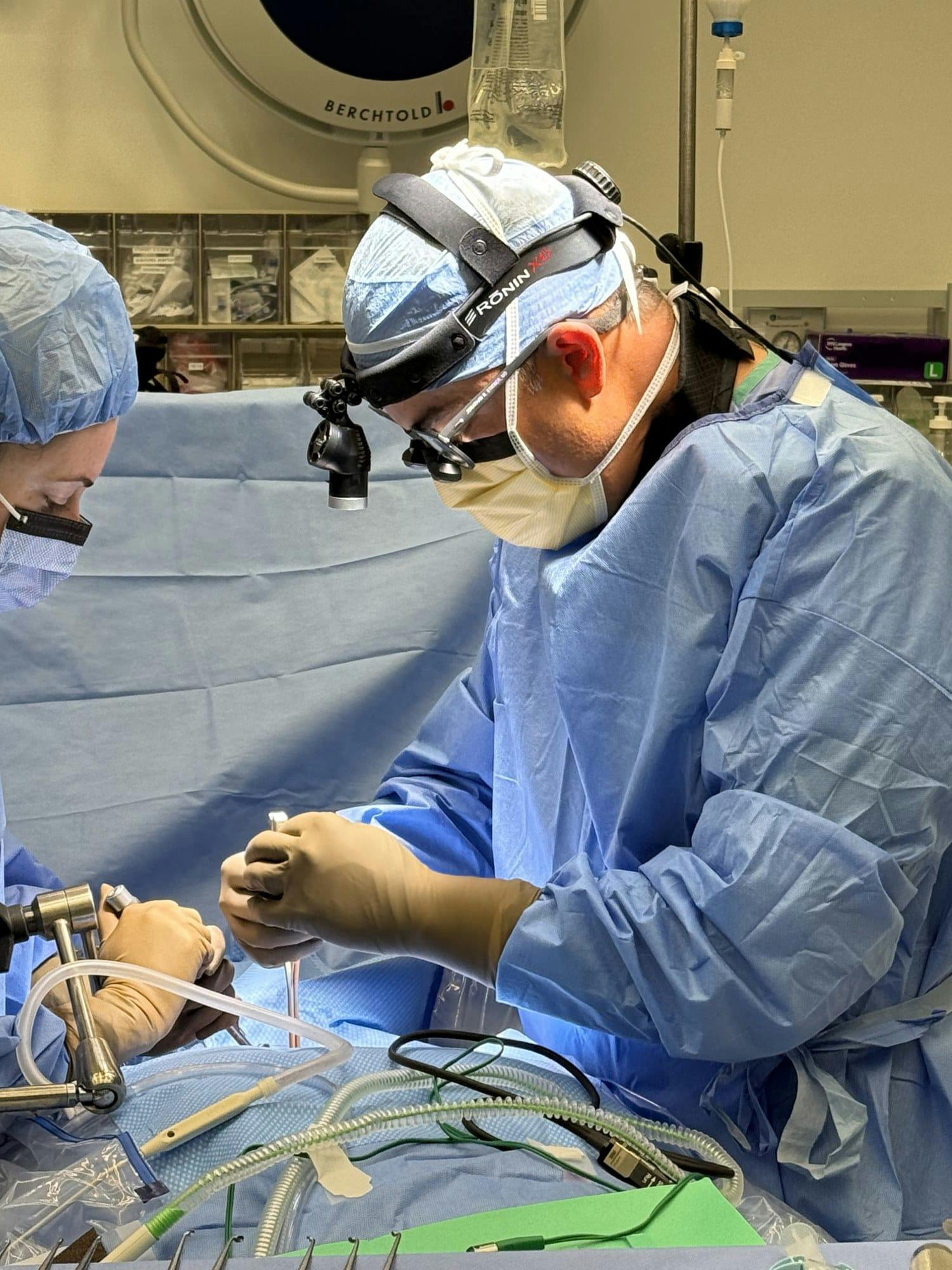
On October 20, 2026, Dr. Jonathan Stieber performed the first Synergy Cervical Disc replacement in New York City at NYU Langone Health. The Synergy Disc is a newly FDA-approved artificial cervical disc built on time-tested orthopaedic materials, with one addition no earlier disc offered: a lordotic core that restores the shape of the neck at the operated level. Dr. Stieber has performed cervical disc replacement since the first devices were approved in the United States and was selected to introduce the Synergy Disc to New York.

Background texture

Why Alignment Matters in Cervical Disc Replacement

A healthy neck has a gentle forward curve called lordosis. As a disc wears out it loses height, and the segment can tip forward into kyphosis. That shifts load onto the small facet joints behind the spine and onto the discs above and below.

Earlier artificial discs moved, but they moved in whatever alignment the surgeon found. An implant placed into a kyphotic segment stayed kyphotic. Over time this has been associated with facet arthritis, unwanted bone formation around the implant, and loss of the motion the device was meant to preserve.

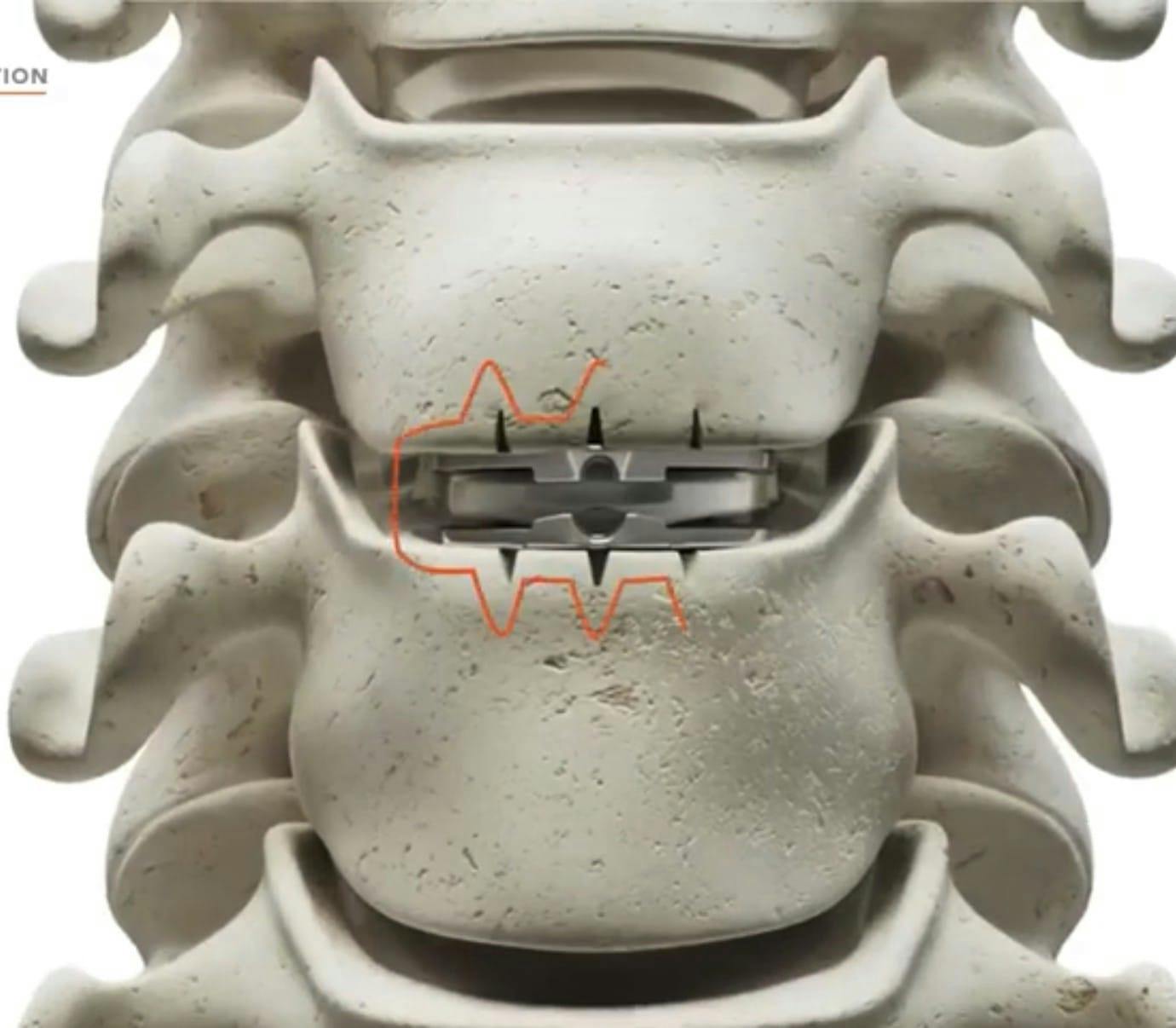
The Synergy Disc's polyethylene core is built with a lordotic angle, so when it is seated it restores the natural curve at that level. According to the manufacturer, the result is greater segmental postural control than a traditional ball-and-socket disc, with full motion preserved.
Simple Design, Proven Materials

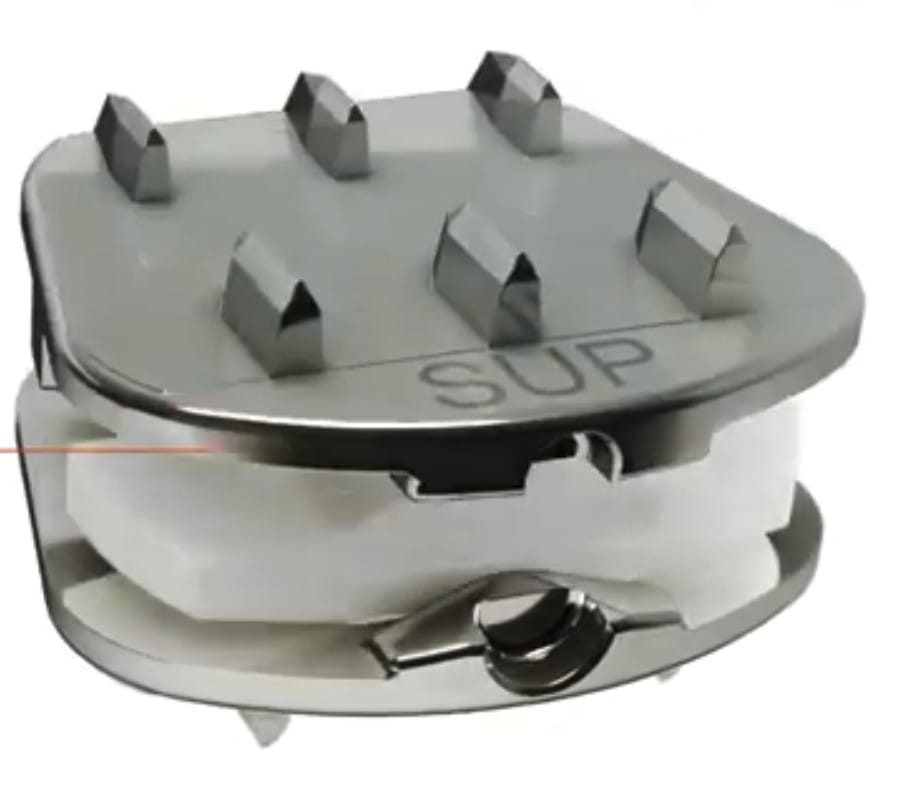
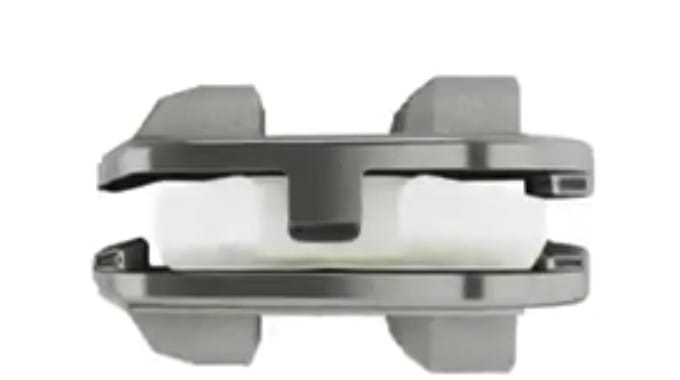
Every part of the implant uses materials with decades of history in hip, knee and spine surgery. There is no cobalt-chrome and no nickel.

Titanium Alloy Endplates

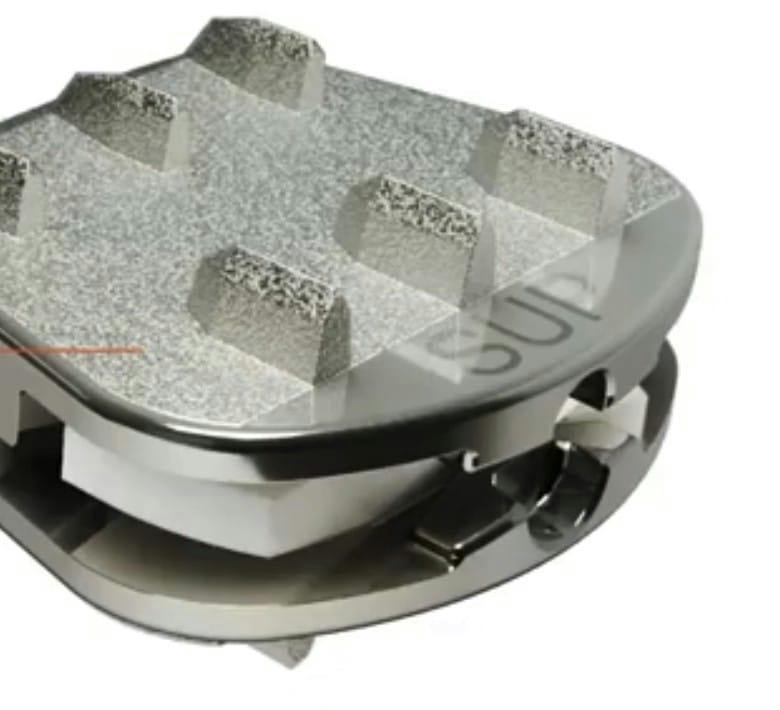
Nickel-free titanium (Ti-6Al-4V) with a plasma-sprayed titanium surface that bone grows onto over time. Self-biting fins anchor the implant the moment it is placed.

Lordotic Polyethylene Core

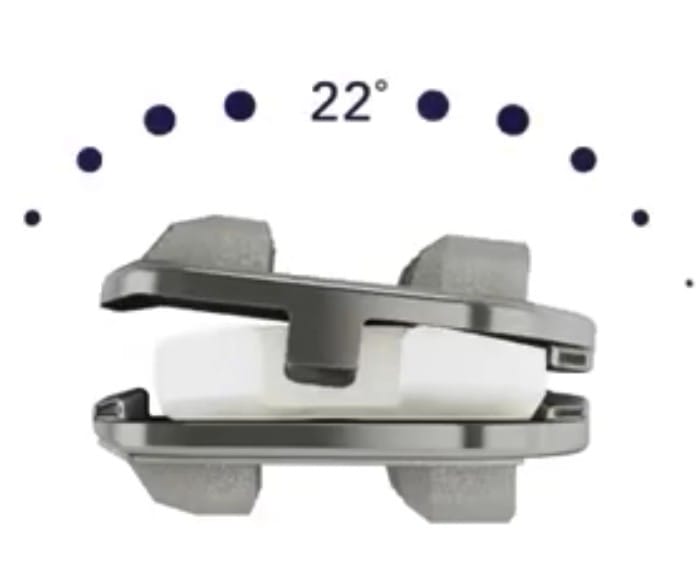
An ultra-high-molecular-weight polyethylene core, available in 0° and 6° of lordosis, lets Dr. Stieber select the angle that restores your neck's natural curve.

Mobile Center of Rotation

The core moves with the spine through flexion, extension, bending and rotation, with built-in safety stops that keep motion within a controlled range.

Sized to the Patient

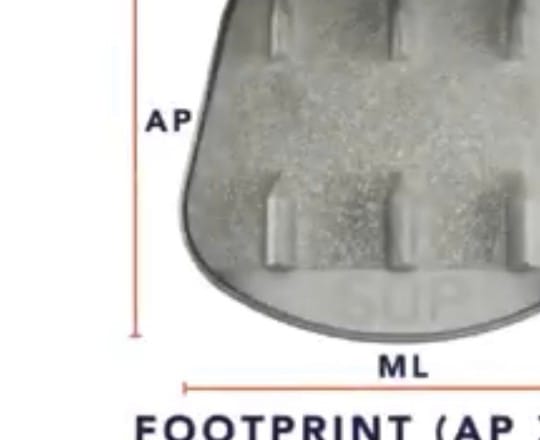
Three footprints (14×15, 16×17 and 18×19 mm) and two heights (5 and 6 mm) allow a close match to each patient's anatomy.

Imaging-Friendly

The titanium-and-polyethylene construction is optimized for postoperative imaging, so the operated level and the levels around it can be followed on MRI and CT after surgery. The device is MR Conditional.

The First Synergy Disc in New York City

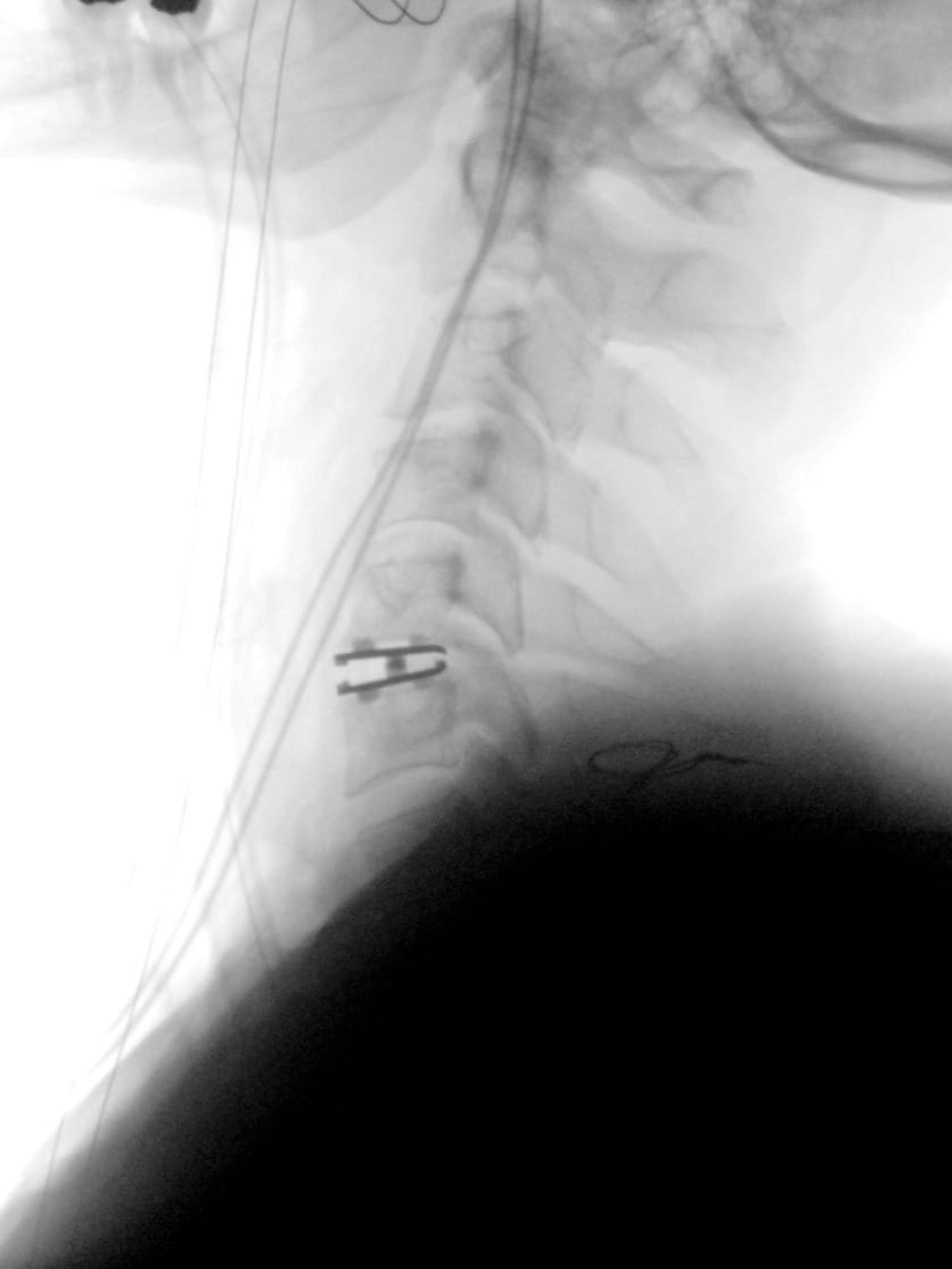
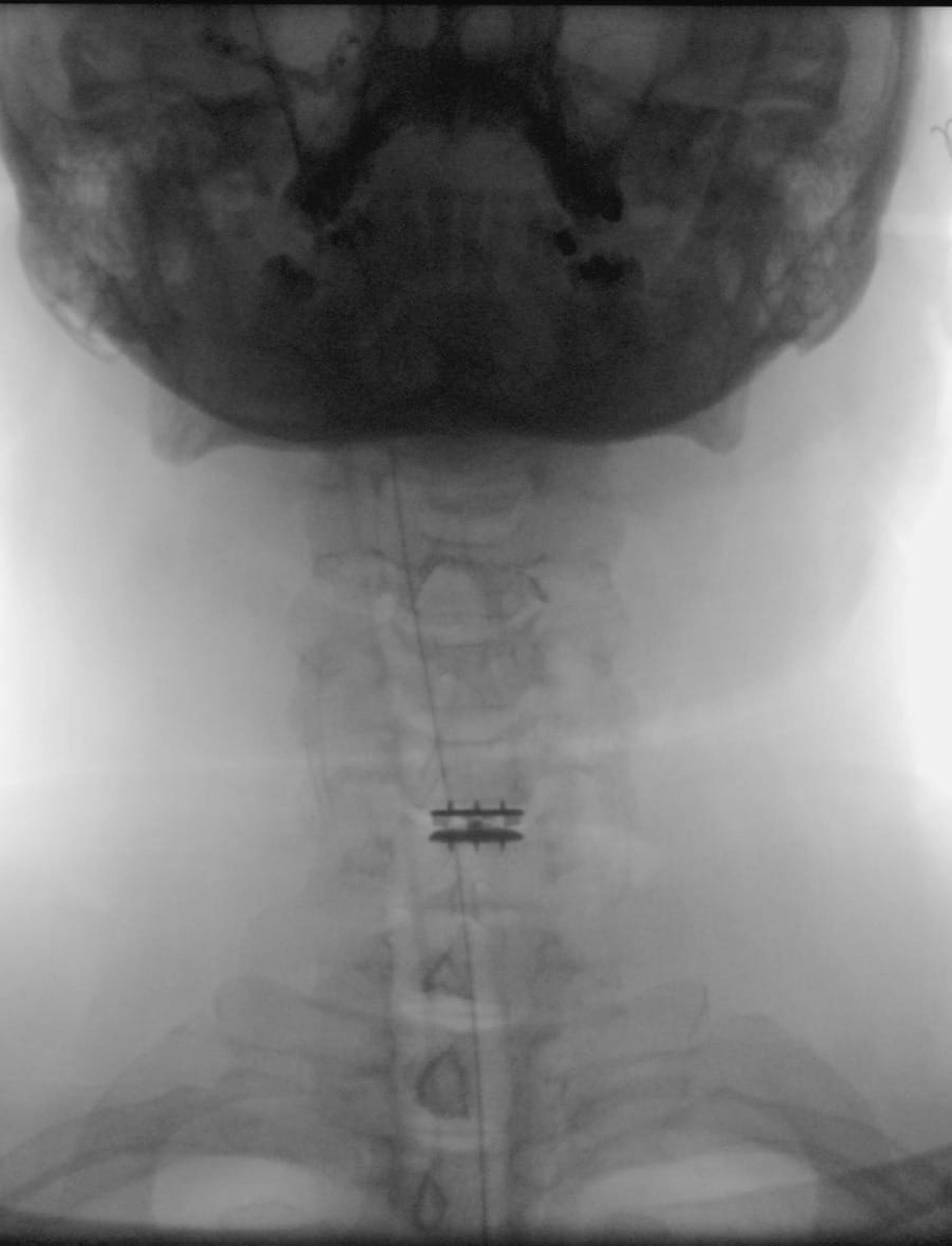
On October 20, 2026, Dr. Stieber performed the first Synergy Cervical Disc replacement in New York City at NYU Langone Health. The procedure was completed through a small incision at the front of the neck, and the patient went home.

Schedule a Consultation

Contact Us

What's the Difference Between the Synergy Disc and Spinal Fusion Surgery?

Anterior cervical discectomy and fusion (ACDF) has been the standard operation for a herniated cervical disc for more than 60 years and is still the right choice for many patients. Disc replacement uses the same approach and the same nerve decompression, but ends differently.

Activity
Synergy Disc Replacement
ACDF (fusion)
Motion at the treated level
Preserved Eliminated
Neck alignment
Restored by the lordotic core Set by the graft or cage
Stress on neighboring discs
Lower in long-term studies Higher; adjacent-segment disease is the main late complication
Bone healing required
No Yes; smoking and diabetes slow fusion
Collar after surgery
Usually none Often several weeks
Return to desk work
Typically 1–2 weeks Typically 2–4 weeks
Best suited for
One level, preserved motion, healthy facet joints Multiple levels, instability, poor bone quality, severe kyphosis

Am I a Candidate for the Synergy Disc?

Dr. Stieber will determine whether you are a candidate after a thorough examination and review of your imaging. Cervical disc replacement with the Synergy Disc may be right for you if:

  • You have arm pain, numbness, tingling or weakness from a pinched nerve in the neck (cervical radiculopathy), with or without neck pain.
  • You have hand clumsiness, balance problems or gait changes from spinal cord compression (cervical myelopathy).
  • Your MRI shows a single damaged disc between C3 and C7 that matches your symptoms.
  • You have had at least six weeks of symptoms that have not improved with physical therapy, medication or injections.
  • You have healthy facet joints and good bone quality at that level.
  • You do not have osteoporosis or osteopenia.
  • Your neck is not unstable and does not have severe kyphosis.
  • You do not have an infection or a prior fusion at the same level.

Many patients who have been told they need a fusion are candidates for disc replacement. Patients with disease at three or more levels, significant instability or advanced facet arthritis may be better served by fusion or a hybrid construct.

Request a Second Opinion

Banner media

What Happens During Synergy Disc Surgery?

Synergy Disc replacement is performed under general anesthesia through a small incision in a natural skin crease at the front of the neck. Dr. Stieber removes the damaged disc, relieves pressure on the nerve or spinal cord, and prepares the bone surfaces.

Using live X-ray, trial implants are used to select the footprint, height and lordotic angle that best fit the level. The Synergy Disc is then inserted and seated; its self-biting fins lock it in place immediately. A single-level procedure typically takes 60 to 90 minutes.

What Is Recovery Like?

Most patients go home the same day or the next morning. Arm pain from nerve compression is usually better immediately after surgery; numbness and weakness improve more gradually over weeks to months as the nerve recovers.

  • Day of surgery: walking within hours; most patients go home the same day or the next morning. No collar for most patients.
  • Weeks 1–2: return to desk work and driving once off narcotic pain medication.
  • Weeks 2–6: gradual return to exercise; physical therapy if needed.
  • Weeks 6–12: return to most sports and physical work; follow-up X-rays confirm position and motion.
  • After 3 months: no long-term activity restrictions for most patients.

Why Choose Dr. Stieber for Your Neck Surgery?

Dr. Stieber is a board-certified, fellowship-trained orthopaedic spine surgeon and one of the top spine surgeons in NYC. He is a Clinical Associate Professor of Orthopaedic Surgery at NYU Grossman School of Medicine and Director of Spine Surgery at OrthoManhattan and OrthoEnglewood.

Dr. Stieber has performed cervical and lumbar disc replacement since 2006 and is regularly selected by device manufacturers to introduce new motion-preserving technology to the New York market. He teaches spine surgery to residents and fellows at NYU and lectures nationally on cervical spine disorders.

If you suffer from ongoing neck or arm pain, you need an accurate diagnosis and access to the most advanced treatment options. Dr. Stieber offers the full range, from non-surgical care to the Synergy Disc.

Synergy Disc Frequently Asked Questions

Is the Synergy Disc FDA approved?

Yes. The Synergy Disc is FDA approved for single-level cervical disc replacement at C3 through C7 in adults with symptomatic cervical disc disease who have not improved with non-operative care.

How is the Synergy Disc different from other artificial cervical discs?

It is the first cervical disc with a built-in lordotic angle (0° or 6°) intended to restore the natural curve of the neck, combined with a mobile center of rotation. Earlier discs preserved motion but did not correct alignment. Its titanium and polyethylene construction is also optimized for postoperative imaging.

Is cervical disc replacement better than fusion?

For the right patient, disc replacement preserves motion and lowers the long-term risk of needing surgery at a neighboring level. Fusion remains the better choice for multi-level disease, instability, poor bone quality or severe kyphosis. Dr. Stieber will tell you which applies to you.

Will I need a neck brace after surgery?

Most patients do not. The implant is stable at the time of surgery and early movement is encouraged.

Can I have an MRI with a Synergy Disc?

Yes. The Synergy Disc is MR Conditional and its materials are optimized for imaging, so the spine can be evaluated on MRI and CT after surgery under the manufacturer's MRI safety conditions.

Does insurance cover the Synergy Disc?

Most commercial insurers and Medicare cover single-level cervical disc replacement when criteria are met. Our office verifies your benefits and handles pre-authorization before surgery.

How long will the implant last?

The Synergy Disc uses the same bearing materials as modern hip and knee replacements, which routinely last decades. Long-term follow-up for this specific device is ongoing; Dr. Stieber will discuss what is known at your consultation.

Where is the surgery performed?

At NYU Langone Health in Manhattan and at surgical facilities in Englewood, New Jersey. Consultations are available at OrthoManhattan (485 Madison Avenue) and OrthoEnglewood (34 S. Dean Street).

Schedule a Consultation And Get The Pain-Free Lifestyle You Deserve

NYC spine surgery specialist, Dr. Jonathan Stieber, provides his patients with the most effective treatment options available, all of which are tailored to meet your individual needs. With Dr. Stieber guiding your care, it is possible to say goodbye to pain and enjoy an active lifestyle once again.

Contact Us
Contact Us Page
Accessibility: If you are vision-impaired or have some other impairment covered by the Americans with Disabilities Act or a similar law, and you wish to discuss potential accommodations related to using this website, please contact our Accessibility Manager at (646) 916-3962.
Contact Us